
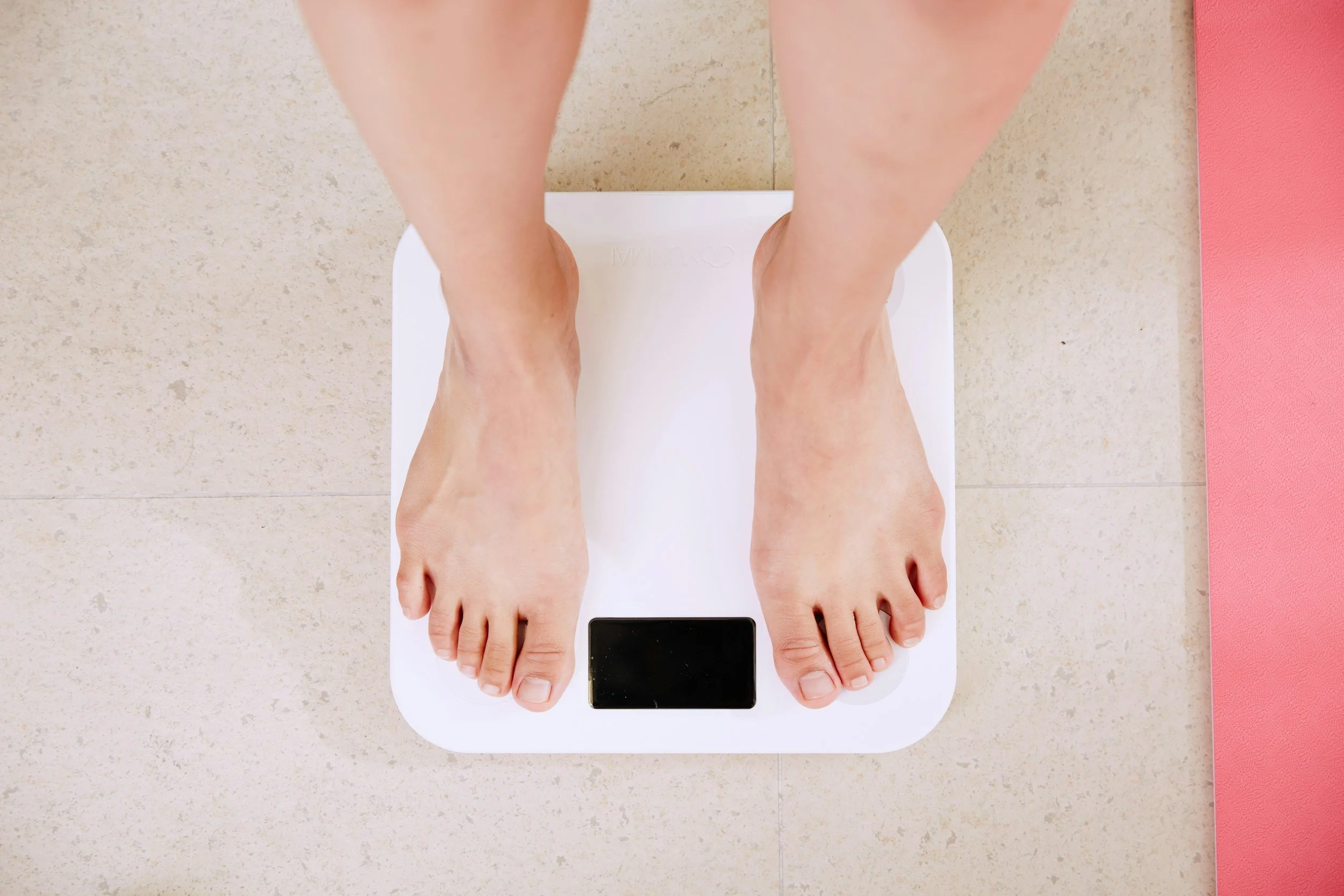
You feel like you’re doing everything right. You're trying to eat healthy and exercise, but still, the number on the scale won’t move. Sound familiar? You may have a case of weight loss resistance. This can occur because body weight gain and loss is a complex process that is impacted by more factors than just diet and exercise, here are a few examples.
High Cortisol
Poor stress management leads to an increase in our stress hormone, cortisol. Cortisol is responsible for regulating how much sugar (glucose) and fat is stored in your body, and how much is released to use for fuel.
When you’re stressed, your adrenal glands release a burst of cortisol to help you cope, temporarily increasing your blood sugar for a boost of energy. When cortisol is consistently elevated due to poor stress management, it can decrease the effects of fat burning.
Insulin Resistance
Insulin is produced by our pancreas and works as a key to let blood sugar into our cells to be used as energy. High insulin levels signals the liver and muscles to store blood sugar. Excess blood sugar is stored as body fat causing weight gain. This affects hunger and satiety since your hunger hormone (ghrelin) is increased and your satiety hormone (leptin) is decreased. Thus causing a larger appetite and cravings, overindulgence, and the inability to sense fullness.
Excess body fat, physical inactivity, food choices, hormonal disorders and certain medications may make you more prone to insulin resistance.
Inflammation
Inflammation can lead to weight loss resistance by increasing insulin resistance, leptin disruption, fat cell enlargement and mitochondrial impairment. Chronic inflammation can be caused by many factors such as an unhealthy diet, chronic stress, lack of exercise, smoking or vaping, excess body weight, excess alcohol use, and poor sleep habits.
Hormones
Estrogen and testosterone levels play a role in insulin sensitivity, fat storage patterns, appetite control and metabolism. Estrogen and testosterone levels can be influenced by body fat stores, medications, medical history such as PMOS/PCOS, liver disease, menopause, thyroid disorders, diabetes or insulin resistance. When hormone levels are too high or too low, it can have a negative impact on your ability to maintain a healthy weight.
Hypothyroidism
The thyroid controls hormones that regulate metabolism. Low thyroid hormone levels are associated with reduced metabolic function. Insufficient T4 and T3 can also alter digestion, energy demand, cravings, and metabolism rate.
Sleep
Not getting enough sleep can impact your hunger hormones ghrelin and leptin. This can lead to increased appetite, cravings, and overeating. Poor sleep can also lead to less energy to physical activity and reduced insulin sensitivity.
Gut Imbalances
The gut microbiome consists of trillions of microbes that can affect the absorption and digestion of ingested nutrients. Some research suggests that the composition of our gut microbiome (healthy vs unhealthy microbes) may play a role in weight management.
Blue Light Exposure
Some research studies show a correlation between high exposure to blue light (laptops, computers, monitors, smartphones, tablets, TV's and fluorescent lights) and weight gain. Further research is needed to determine if blue light truly promotes weight gain, however limiting screen time may be a good place to start when trying to combat weight loss resistance
Why Work with a Registered Dietitian?
Weight loss is a complex process. A Registered Dietitian not only considers diet and exercise, but will take all the factors into consideration when preparing your nutrition care plan. Meet with out Registered Dietitian to have the best success at weight loss possible and help you keep the weight off long term.
To book a session with registered dietitian Kristen Lusk click HERE