
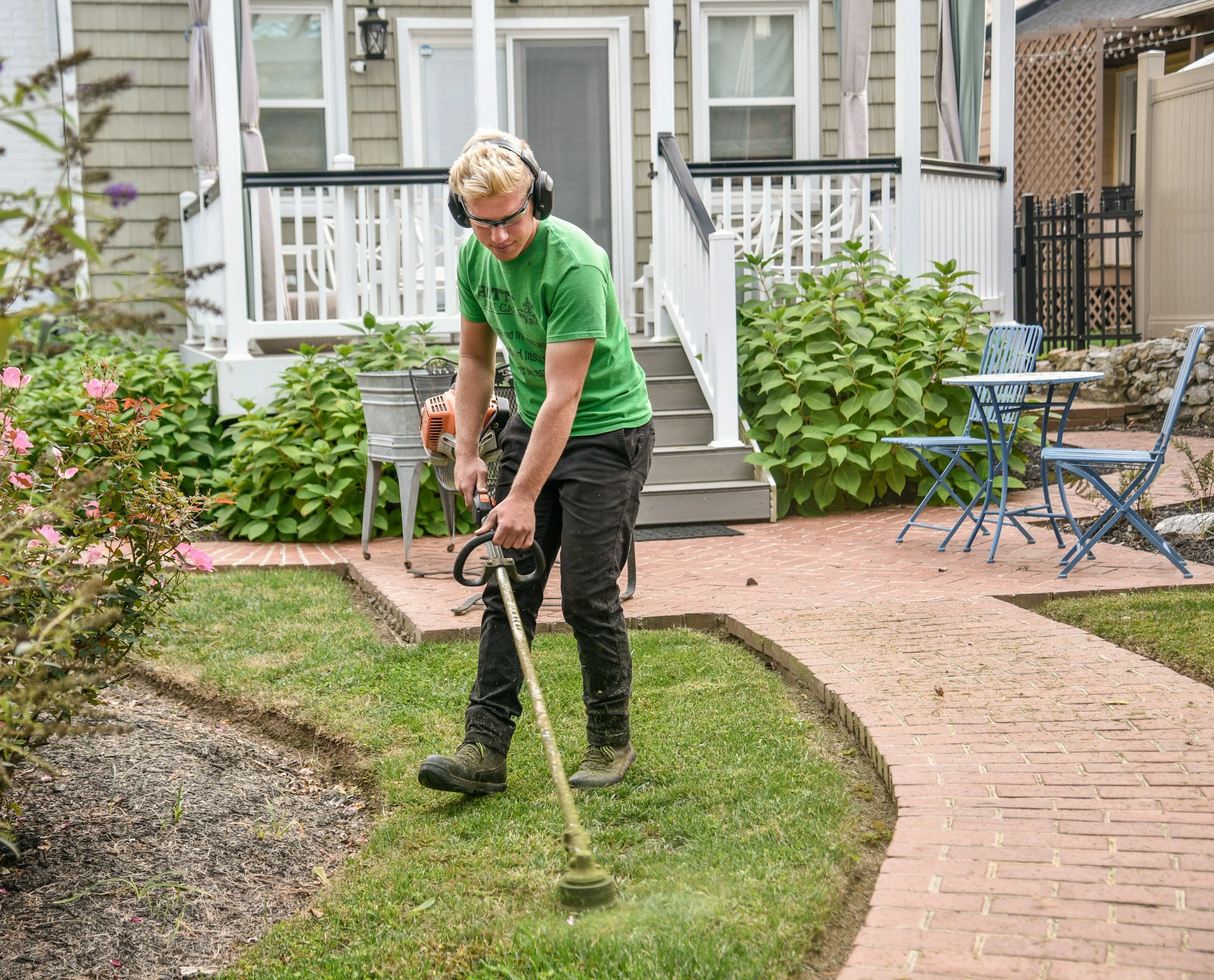
Spring yard clean-up and the link to musculoskeletal (MSK) pain
As winter fades and temperatures rise, many homeowners eagerly step outside to tackle spring yard clean-up. While raking leaves, trimming branches, and preparing gardens can feel refreshing, these activities often lead to a surge in musculoskeletal pain cases.
Why Spring Clean-Up Triggers MSK Pain
After months of reduced activity during colder weather, the body is often deconditioned. Muscles, tendons, and joints may be less flexible and weaker than usual. Suddenly jumping into physically demanding yard work can overload the body.
Common contributing factors include:
Repetitive movements (raking, digging, lifting)
Poor posture during bending or twisting
Lifting heavy loads like wet leaves or soil
Extended periods of activity without breaks
These stresses can lead to strains, sprains, and flare-ups of existing conditions such as lower back pain or shoulder injuries.
Most Common Problem Areas
During spring yard work, certain areas of the body are especially vulnerable:
Lower back: from bending and lifting
Shoulders and neck: rom reaching and overhead work
Knees: from squatting or kneeling
Wrists and hands: from gripping tools
Prevention Tips
The good news is that most yard work related injuries are preventable with a few simple strategies:
1. Start strength & resistance training in the weeks leading up to your yard clean-up
Often it’s not the load that breaks the body, but the load that the body is not prepared for that will break the body.
2. Start Slow
Ease into yard work over several days instead of doing everything at once.
3. Warm Up First
Light stretching or a short walk can prepare your muscles for activity.
4. Use Proper Technique
Bend at the knees, not the waist
Keep objects close to your body when lifting
Avoid twisting while carrying loads
Ask for help with heavy loads
Use tools to help with the load (wheelbarrow)
Change positions frequently (squat to lunge to kneel on repeat)
5. Take Frequent Breaks
Short breaks every 20–30 minutes help prevent overuse.
6. Use Ergonomic Tools
Tools with long handles or padded grips can reduce strain.
7. Stay hydrated
Your break time is a great time to drink some water. Drinking water prevents with dehydration, heat stroke on a hot day and muscle cramping.
When to Seek Help
If pain persists beyond a few days, worsens, or interferes with daily activities, it may be time to consult a healthcare professional. Early intervention can prevent minor issues from becoming chronic problems.
Final Thoughts
Spring yard clean-up is a rewarding way to welcome the new season, but it shouldn’t come at the cost of your health. By pacing yourself and using proper techniques, you can enjoy your outdoor space while minimizing the risk of musculoskeletal pain.
Dr. J
**None of the information provided on this website should be substituted for medical evaluation, diagnosis, or treatment from a licensed healthcare practitioner.**