For most of human history, darkness was not optional — it was biological. When the sun went down, our physiology shifted. Hormones changed. Body temperature dropped. Cells repaired. The brain detoxified.
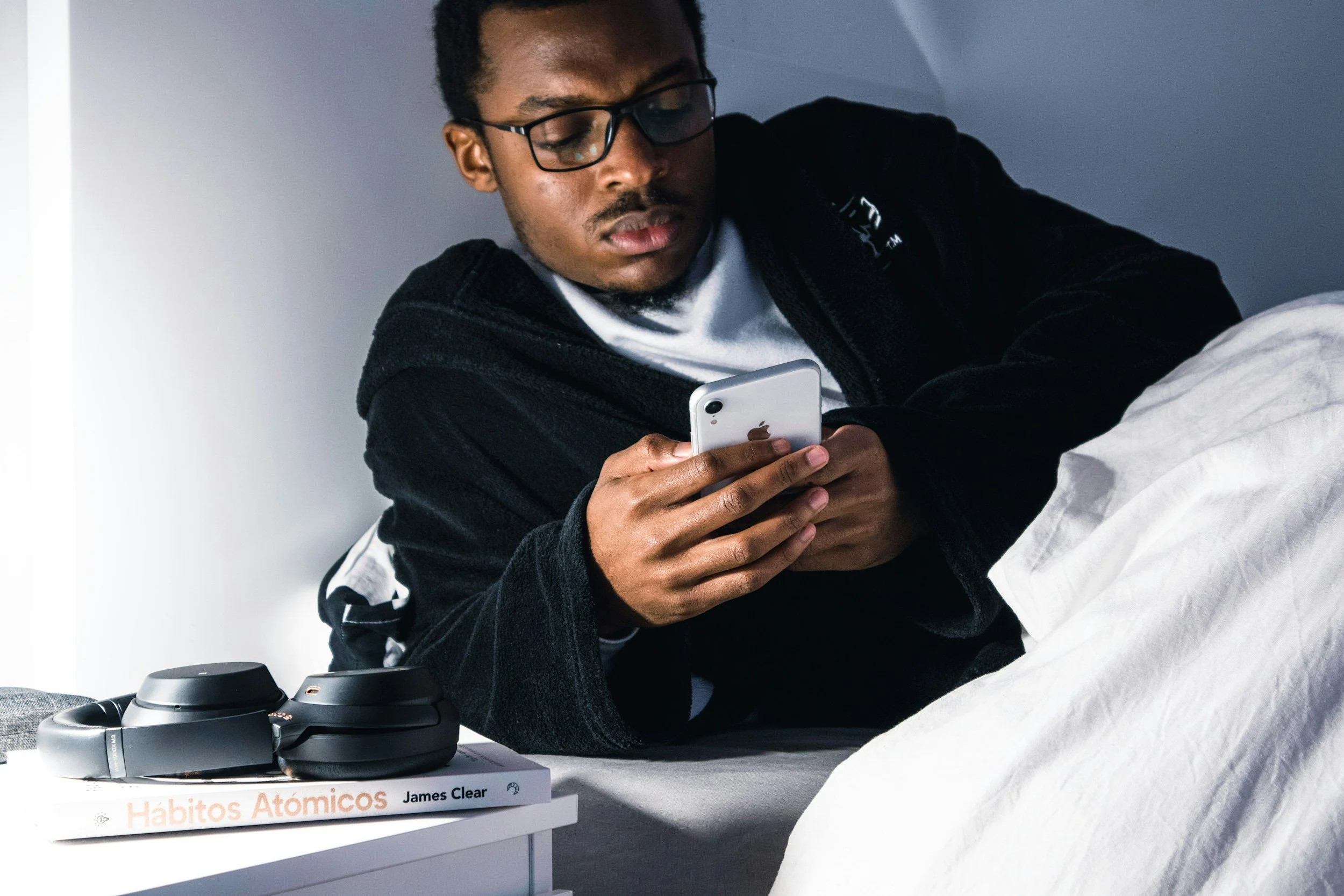
Today? We scroll.
Artificial light has transformed modern life in remarkable ways. But emerging research suggests that exposure to light at night; bedside lamps, phones, televisions, streetlights and even low-level ambient glow, may be doing more than just delaying bedtime. It may be quietly disrupting fundamental biological processes that protect our long-term health. This isn’t just about “better sleep hygiene.” It’s about cardiovascular disease, metabolic dysfunction, cognitive decline, and systemic inflammation.
Let’s break down why nighttime light is becoming recognized as a serious public health issue.
The Biology: Your Circadian System Is Not Optional
Your body runs on an internal 24-hour clock called the circadian rhythm. This system regulates:
Sleep and wake cycles
Hormone production (including melatonin and cortisol)
Blood pressure
Glucose metabolism
Immune function
Cellular repair
Light is the primary signal that sets this clock. When light hits specialized cells in the retina, it sends a direct signal to the brain’s master clock (the suprachiasmatic nucleus). In the morning, this is beneficial, t tells your body to wake up and be alert. At night, that same signal becomes disruptive. Even dim light exposure during usual sleep hours can suppress melatonin production, delay circadian timing, and fragment sleep architecture. And melatonin is not just a “sleep hormone”, it plays roles in antioxidant protection, immune modulation, and metabolic regulation.
The Health Risks: More Than Just Poor Sleep
1. Cardiovascular Disease
Large observational studies have found associations between higher nighttime light exposure and increased risk of:
Heart attack
Stroke
Heart failure
Atrial fibrillation
Researchers believe circadian misalignment affects blood pressure regulation, vascular tone, and inflammatory pathways, all central players in cardiovascular disease.
2. Type 2 Diabetes & Metabolic Dysfunction
Chronic light exposure at night has been linked to higher rates of insulin resistance and type 2 diabetes.
When circadian rhythms are disrupted, glucose metabolism becomes impaired. Your body handles sugar differently at night than during the day. Artificial light blurs that distinction, potentially contributing to long-term metabolic stress.
3. Cognitive Health
Some emerging research suggests that chronic exposure to nighttime light pollution may be associated with higher rates of cognitive decline and neurodegenerative disease. Sleep plays a critical role in clearing metabolic waste from the brain. Disrupted sleep, especially deep sleep, may interfere with that clearance process. While causation isn’t fully established, the biological plausibility is strong.
It’s Not Just Screens
When people hear “light at night,” they think phones. Yes, blue-enriched LED screens are particularly disruptive because short-wavelength (blue) light strongly suppresses melatonin.
But it’s broader than that:
Hallway nightlights
Streetlight glow through curtains
LED alarm clocks
Televisions left on
Overhead bedroom lighting
Even relatively low levels of ambient light during sleep have been shown to alter heart rate variability and next-day insulin sensitivity in controlled studies. Darkness, it turns out, is physiologically active.
Why This Matters in Modern Life
We now live in a 24-hour society. Shift work, late-night screen use, and constant digital connectivity mean many people rarely experience true darkness.
At the same time, rates of cardiovascular disease, metabolic syndrome, type 2 diabetes, sleep disorders continue to rise. Nighttime light exposure may not be the sole cause, but it is a modifiable environmental factor that often goes unnoticed.
Practical Steps to Protect Your Circadian Health
The goal is not to live like it’s 1850. It’s to respect biology.
Here’s what evidence suggests can help:
1. Make the Bedroom Truly Dark
Use blackout curtains
Remove or cover LED indicators
Eliminate unnecessary nightlights
Consider a sleep mask if needed
2. Dim Lights 1–2 Hours Before Bed
Shift from bright overhead lighting to warm, low-intensity lamps
Choose amber or red-toned lighting in the evening
3. Limit Screen Exposure Before Sleep
Avoid scrolling in bed
Use night-shift/blue-light reduction settings if needed
Better yet: replace screen time with reading or relaxation routines
4. Get Bright Light During the Day
Strong daytime light exposure strengthens circadian alignment and makes nighttime darkness more effective. Morning sunlight is especially powerful.
Sleep is not passive. Darkness is not empty. When we override the natural light-dark cycle, we aren’t just staying up later, we’re altering hormone signaling, metabolism, vascular regulation, and cellular repair processes. Nighttime light may be one of the most underestimated environmental stressors of modern life. Unlike many risk factors, it’s surprisingly simple to address. Sometimes health isn’t about adding more supplements, more routines, or more optimization. Sometimes it’s about turning the lights off.
References:
Exposure to artificial light at night disrupts circadian rhythms and endocrine function – comprehensive literature review showing melatonin suppression, sleep disruption, and links to metabolic and cardiovascular dysfunction. https://pubmed.ncbi.nlm.nih.gov/26375320/
Association between light at night, melatonin suppression, and circadian disruption – review summarizing mechanisms by which light at night affects human health over time. https://pubmed.ncbi.nlm.nih.gov/28214594/
Melatonin pathway and cardiovascular disease – explores how nighttime light suppresses melatonin and contributes to cardiometabolic dysfunction. https://www.mdpi.com/1467-3045/47/8/664?utm_source=chatgpt.com
Night light pollution and cardiovascular disease – review linking artificial nighttime light exposure to circadian disruption and increased cardiovascular risk. https://pubmed.ncbi.nlm.nih.gov/40464453/
Artificial light and heart disease risk - https://newsroom.heart.org/news/exposure-to-more-artificial-light-at-night-may-raise-heart-disease-risk?utm_source=chatgpt.com
Late night light exposure and diabetes - https://www.ifm.org/articles/hot-topic-light-exposure-at-night-and-diabetes?utm_source=chatgpt.com
Blue light and health risks - https://www.health.harvard.edu/staying-healthy/blue-light-has-a-dark-side?utm_source=chatgpt.com