Pranayama is an umbrella term for breathing exercises in Yoga (and other Eastern Traditions) - it is a Sanskrit word that loosely translates to “the stop/control” of the breath. ‘Prana’ means life force energy or vital life force, which we draw from the breath. ‘Yama’ means restraint, or to gain control of. The practice of Pranayama is most often slow-paced, deep breathing exercises with various practices of manipulating the nostrils in accordance with the breath. It is purposeful, with the practitioner controlling the timing, duration, and frequency of each inhale, exhale, and hold.
The power of Breath
There is growing evidence that supports the use of breathing exercises for a variety of different physical and mental health concerns. Breathing exercises, as defined by the National Institutes of Health are an active process involving conscious regulation of breathing (inhaling & exhaling). There are many different types of breathing exercises used to treat conditions such as
Fascia Fascia Fascia
Where there is foot pain.....
Plantar fasciitis accounts for approximately 15% of all foot injuries per year in the US and Canada. It affects adults of any age (peak 30-50 years old), & females more than males at a ratio of 2:1. It is caused by microtrauma & inflammation of the plantar fascia origin point on the heel of the foot (calcaneus).
Capture Cape Breton Contest 2021
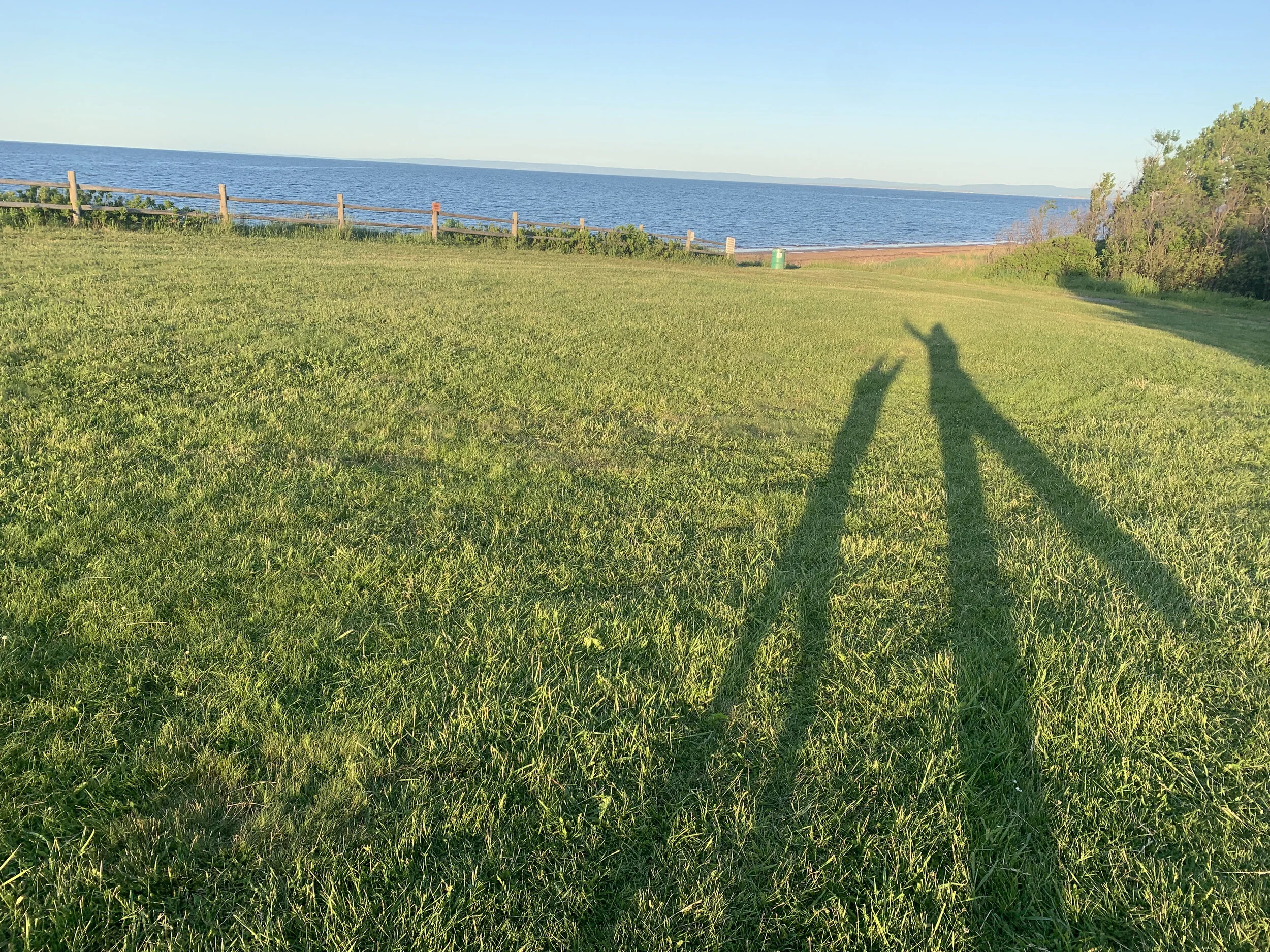
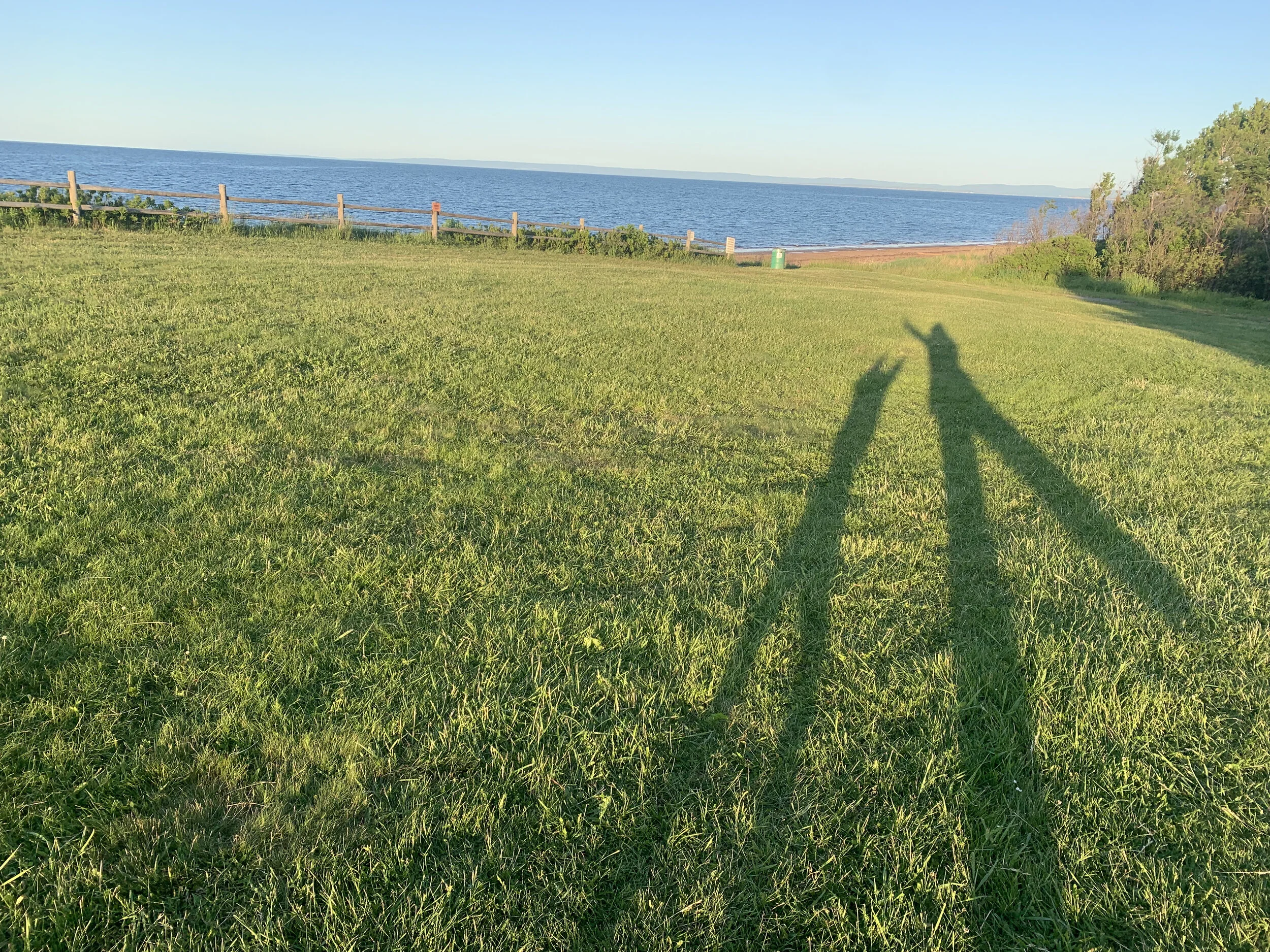
Every summer we play “where are we Wednesday” and love to show where we’ve been. Capture Cape Breton is our annual contest that showcases the beauty of this amazing island and gives you the chance to show us where you’ve been!
Between August 3rd-24th send us your best CB shot (enter via social or info@islandchiro.com). We will choose 6 finalists and open it to online voting. This year we have prizes for first, second and third place!
Fall Class schedule
Summer Tomato Salad
Things to consider when joining a new gym...
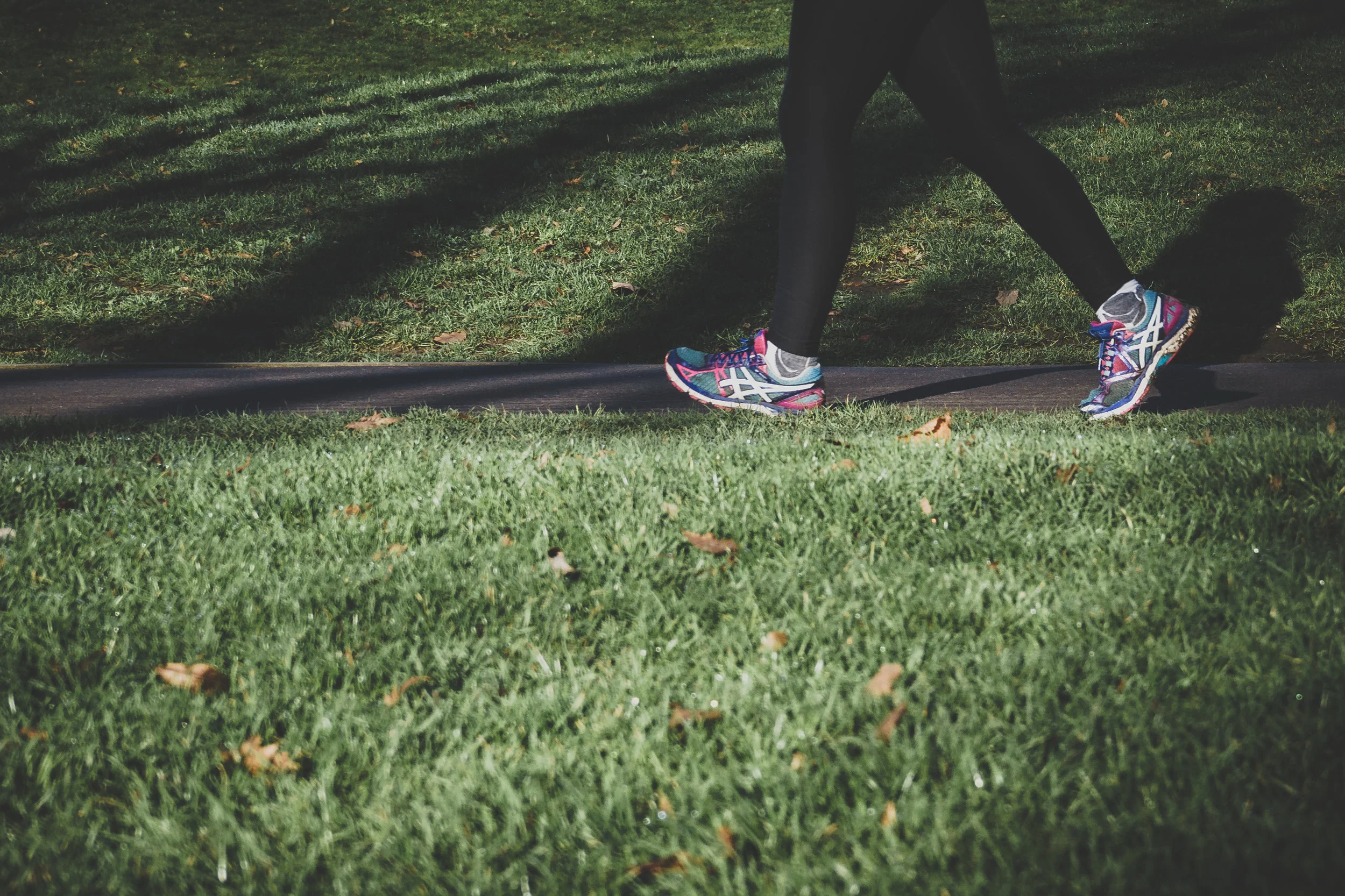
What if you can't walk 10,000 steps a day?
Balancing Blood Sugar Naturally
Pockets of time.....
Improving and maintaining lean mass as we age (and we are all aging) Part 2
Your body composition is made up of fat, bone, water and muscle; with your lean body mass being your fat-free mass. As we age it becomes more difficult to maintain our lean mass which is protective against injury, illness, and death. In this post we will talk about lean mass and the importance in fall prevention. The higher your age the higher your risk of falls and injury, but it’s never too late to start protecting yourself.
Improving and maintaining lean mass as we age (and we are all aging) Part 1
Your body composition is made up of fat, bone, water and muscle; with your lean body mass being your fat-free mass. As we age it becomes more difficult to maintain our lean mass which is protective against injury, illness, and death. In this post we will talk about lean mass and it’s importance in fall prevention. The higher your age the higher your risk of falls and/or injury, but it’s never too late to start protecting yourself.
NEAT - Non-exercise activity training
What you can do NOW to help reduce stress
We’ve all been there. That moment when nothing is going as planned and you feel like you are being pulled in 7 different ways. At the height of that stressful moment, no amount of self-care, sleep or healthy diets is going to help you keep your sh**t together. Here’s one immediate thing you can do to help you keep your cool when stress hits the fan.